
Defense / Intelligence
Attestation infrastructure for high-assurance operations.
ZATONA DYNAMICS brings together open protocols, sealed execution, and managed integrity services to make records, claims, and runtimes independently verifiable today — and extends that model to the disconnected edge.
Built on public specs and running systems. Applied first to defense and intelligence.
We make truth verifiable. First in code. Then in execution. Now at the disconnected edge. One evidence fabric.
Target Environment
Built for defense and intelligence programs, and the industrial base that supports them.






Trademarks shown for identification only.
No affiliation or endorsement implied.
The stack
Foundations
Open protocols — published specs, open-source Rust, conformance test vectors.
ATL
Open standardAppend-only, anchored history
A privacy-preserving, append-only log of facts. Selective disclosure, offline-verifiable receipts, anchored to RFC 3161 timestamps and Bitcoin — trust is derived from external anchors, not the operator.
verifyAPL
Open standardFrame-bound claims
Every claim bound to its frame by content hash — what was observed, how, and under which assumptions. The verifier returns apl-valid or apl-invalid on that binding; it does not decide whether a claim is true.
verifyDeployed systems
Running today.
Evidentum
Live SaaSManaged integrity
The integrity layer delivered as a service — custody, retention, export, and tamper-evident evidence packages structured for audit review.
verifyThunderwind
Live platformSealed execution
Source → binary → runtime → output as an attested chain on Intel TDX. The standard profile removes SSH and interactive console access and relies on hardware attestation rather than operator assurances.
verify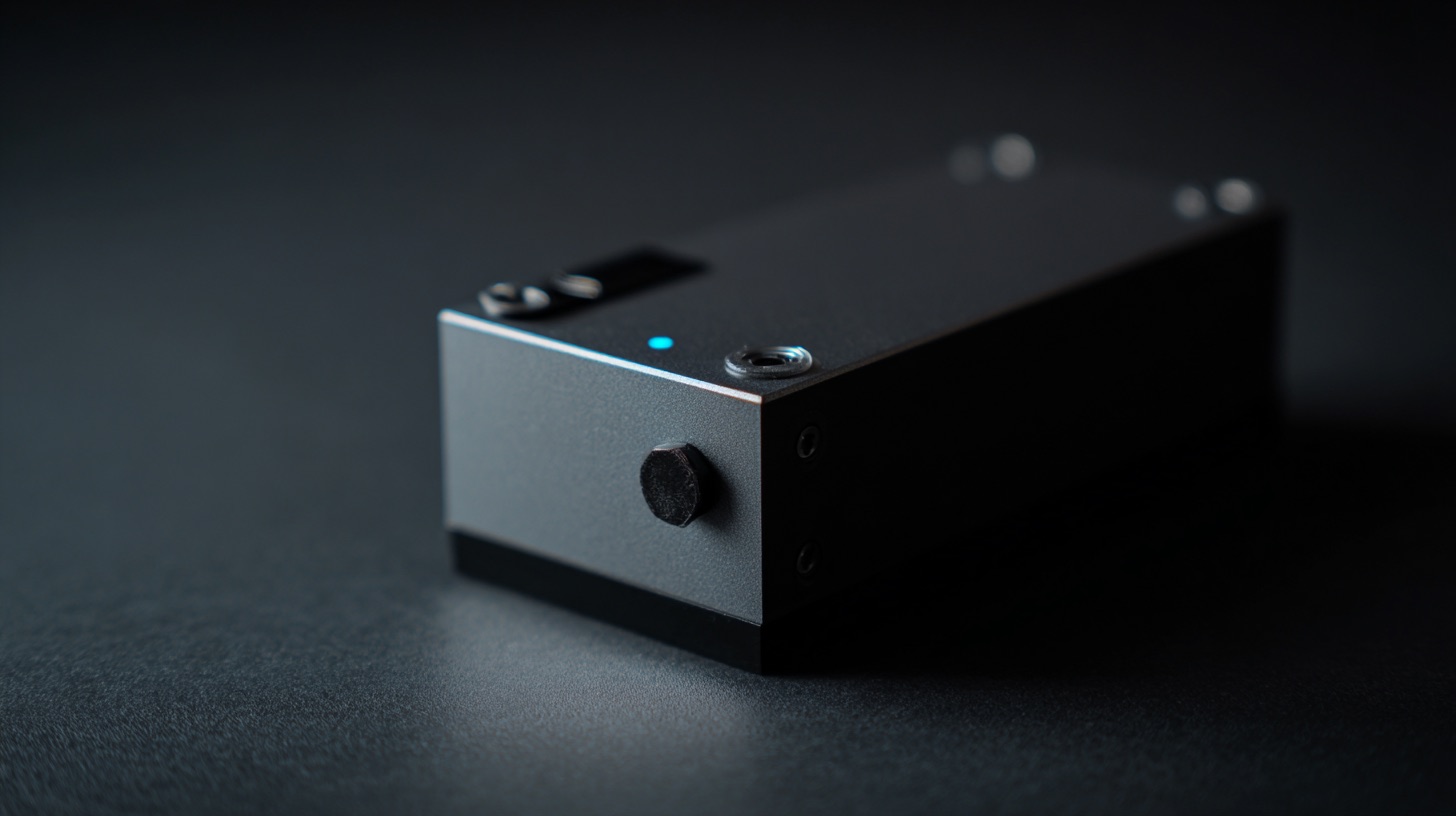
Applied defense vector

NEW · IN ACTIVE DEVELOPMENT
Trust that holds when the network doesn't.
For intelligence collection and special operations at the disconnected edge.
Public ATL establishes verifiable truth through external anchors — and anchors need connectivity. The field often has none: jammed, denied, or simply out of range.
ATL-TacRoot moves the first anchor into hardware — a record is sealed at the point of capture, holds while disconnected, and reconciles into wider history at the first secure handoff.
How it works
- Seal at capture
- The device seals the artifact the moment it is taken — in hardware, not in a server it may never reach.
- Keep order offline
- Each receipt preserves hardware-enforced ordering, so disconnected collection still has a defensible sequence.
- Bind the bundle
- The verifier checks the bundle, not just the file — cutting off cross-case substitution.
- Verify at handoff
- A receiving system can verify the artifact, the receipt, and the device identity offline.
- Reconcile into ATL
- On reconnection, the record reconciles into ATL — wider, externally auditable history.
First wedge
Chain-of-custody for field-collected data at the disconnected edge.
Airborne sensors · field collection devices · emplaced arrays
When an image, track, or mission artifact leaves the edge, the receiving system can prove it is the same artifact that was sealed at capture.
Trust model
Offline when needed, reconciled when possible.
TacRoot doesn't pretend disconnected capture is magic. In the field, integrity and ordering come from authority-provisioned hardware; wider consistency is finalized at the first secure handoff. Every receipt states what is proven now and what is finalized later.
ATL-TacRoot extends the open ATL transparency log; the deeper trust model is shared under briefing.

Founder
Built and published by Dmitrii Zatona
Author of the ATL and APL protocols, maintainer of the open-source
reference implementations, and builder of the deployed systems
behind this umbrella.

Strategic outreach
business plan submitted
Exploring mission fit around attestation infrastructure, sealed execution, and evidence integrity. Trademark shown for identification only. No affiliation or endorsement implied.